LucidLink alternative for white-label file delivery
LucidLink is an Emmy-winning cloud file streaming and collaboration platform that ranks among the top secure file sharing tools for creative business teams. For distributed teams editing large shared files together in real time, it is a serious and well-regarded platform. But real-time internal collaboration and outward-facing branded client delivery are different problems. LucidLink has no custom domain, no white-label delivery, and no client portal for external recipients. Here is what agencies and studios add when they need that layer.

Sharebrand
White-label file sharing for client-facing businesses

LucidLink
Cloud file streaming and real-time collaboration platform
Alternatives
LucidLink alternative for white-label file delivery
LucidLink is a secure file-sharing platform built for internal teams, not for client file delivery
LucidLink is a cloud-native file streaming platform used by 100,000+ users across 4,000+ companies in 150+ countries, and it ranks on the first page of Google for secure file sharing tools for business. Its own blog explicitly positions it as the best file sharing platform for creative business teams, sitting above Dropbox, Google Drive, and Box in its own published comparison. That positioning is not unreasonable: LucidLink is a serious, well-certified platform that mounts a shared cloud filespace like a local drive and gives distributed teams real-time access to large production files.
The distinction that matters for this comparison is not whether LucidLink is a file sharing tool — it is — but what kind of file sharing it enables. LucidLink is built for internal team collaboration: editors in different cities working on the same 4K timeline, architects sharing BIM models without waiting for downloads, marketing teams iterating on the same assets in real time. Its SOC 2 Type II, GDPR, and MPAA TPN Blue certifications, zero-knowledge encryption, and native Premiere Pro file locking serve that use case extremely well.
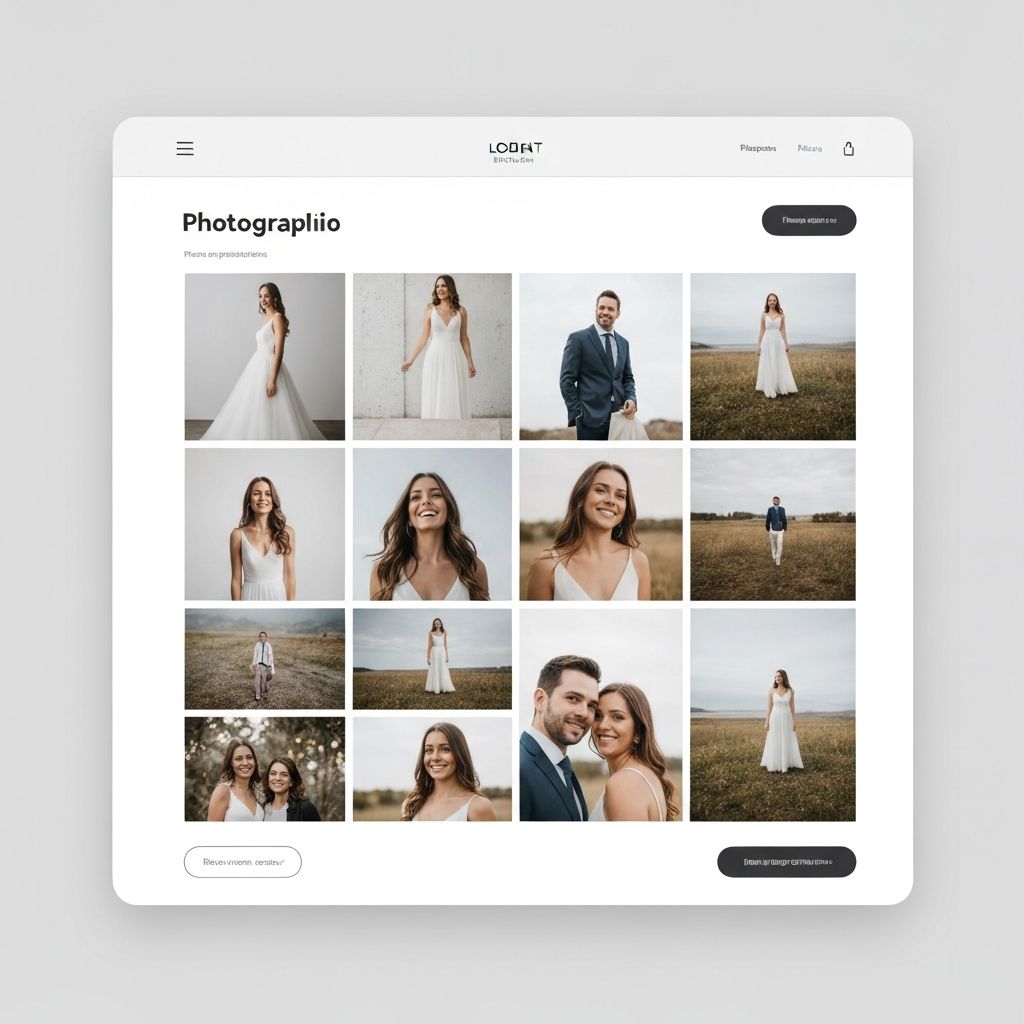
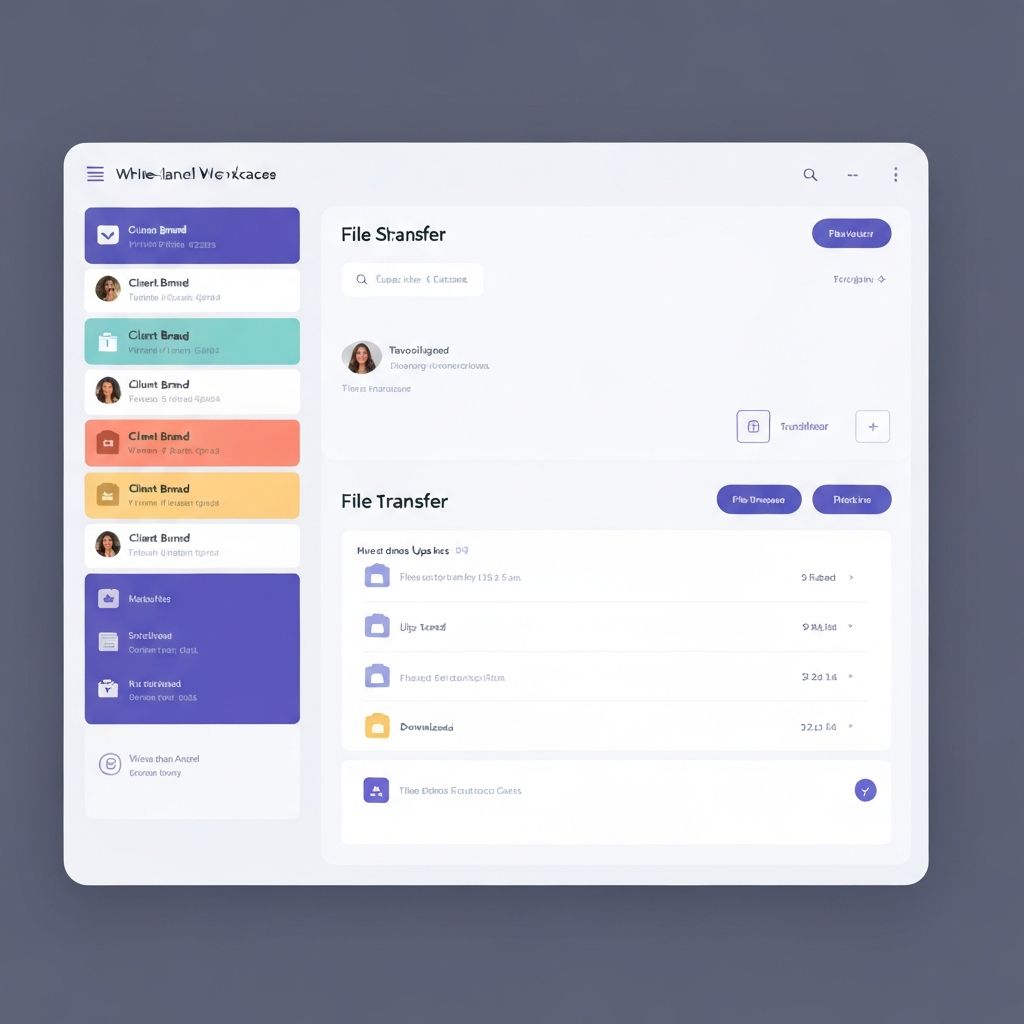
What LucidLink does not have is outward-facing branded delivery. When a project is finished and the agency needs to send it to the client — at their own domain, with their own logo on every link, through a portal the client returns to over time — LucidLink has no architecture for that. No custom domain. No white-label delivery. No file payment gate. Teams searching for a file sharing tool that also covers the client-facing side of the workflow typically end up running both: LucidLink for internal production, Sharebrand for everything external.
Where LucidLink falls short for client-facing delivery
LucidLink is a strong file sharing platform for internal teams working on large shared files. The gaps below are not in its core internal file sharing capability — they are in the outward-facing, branded delivery layer that agencies and studios need once work leaves the team and reaches a client. Each gap is a direct consequence of LucidLink being optimised for internal collaboration rather than client-facing presentation.
No custom domain for file delivery
LucidLink has no custom domain (CNAME) feature. File links shared from LucidLink go to LucidLink's infrastructure. There is no mechanism on any plan to deliver files to a client at your own domain. When a creative agency using LucidLink sends a final deliverable to a client, the link is a LucidLink-branded link.
For agencies and studios where the delivery experience is a professional touchpoint — where the client's first impression of finished work matters — that link is the wrong first impression.
Guest access is for collaborators, not branded client delivery
LucidLink's Guest Access feature allows external recipients to view files in a browser without a LucidLink account or paid seat. This is a useful feature for sharing work-in-progress with supervisors, clients giving feedback, or external stakeholders who need to review. It is not a white-label delivery portal. The guest experience is LucidLink's interface, on LucidLink's domain, with LucidLink's branding. There is no configuration that makes it reflect your studio's identity.
No persistent branded client portal
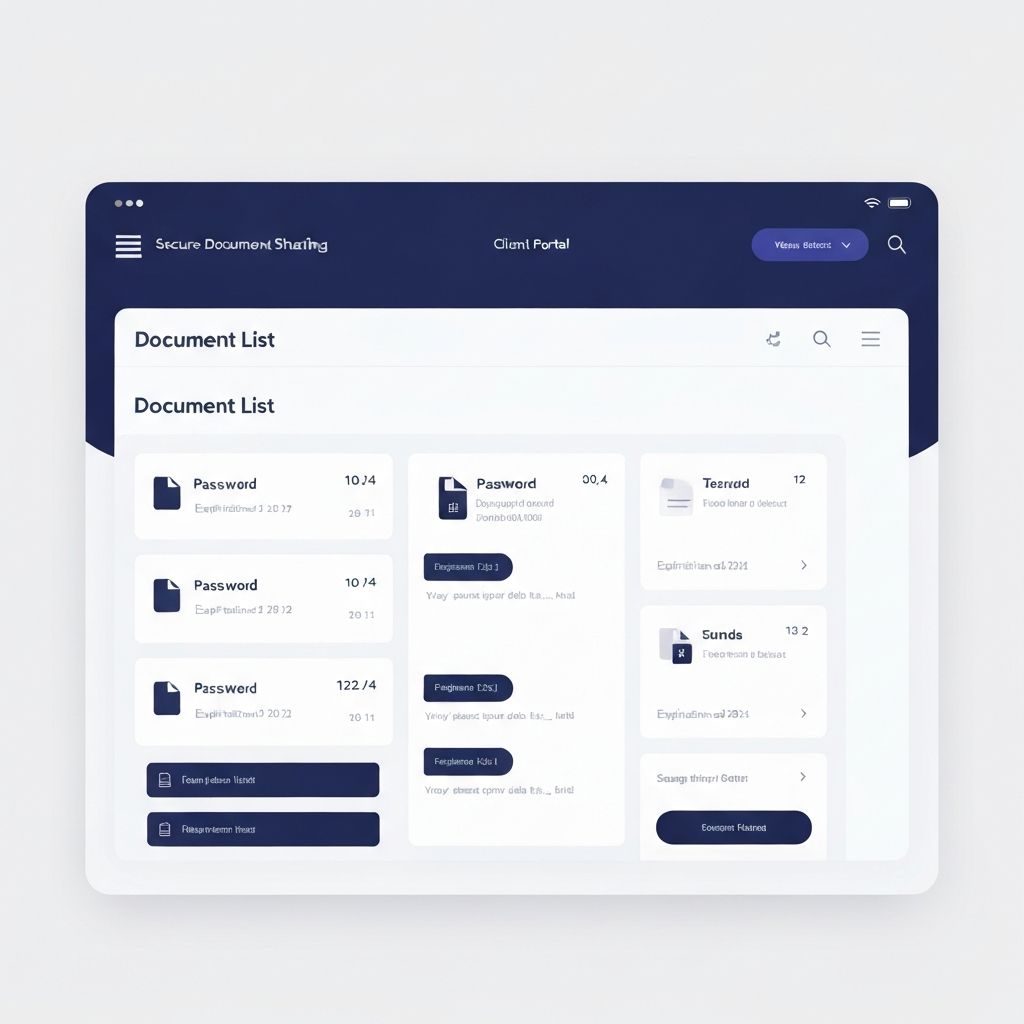
LucidLink is organised around filespaces — shared cloud drives that team members mount and work in. There is no concept of a dedicated client portal where a client logs in over time, sees their project files organised by your brand, and accesses multiple rounds of deliverables from a space that belongs to your studio. Each guest access link is a share to a specific file or folder, not a persistent workspace under your name.
No file payment gate
LucidLink has no feature for charging clients before they download or access files. For studios and agencies that sell digital deliverables, license photography, or charge for file access as part of their service, this capability does not exist anywhere in LucidLink's product.
Per-member pricing scales quickly for delivery-only use
At Starter ($7/member/month), a five-person team pays $35/month for 500 GB pooled storage. At Business ($32/member/month), a five-person team pays $160/month for 2 TB. These are reasonable prices for a platform delivering the collaboration value LucidLink provides. But for a team that wants to use LucidLink purely as a delivery mechanism for client files — without needing the real-time streaming collaboration features — the per-member model charges for capabilities the delivery use case does not require.
Who actually needs a LucidLink alternative
LucidLink is the right tool for distributed creative teams that need real-time shared access to large production files. The businesses that need something additional are those where the completed work also needs to reach a client in a professional, branded experience.
Video production companies that edit and finish projects in LucidLink and then need to deliver final cuts, screeners, and assets to clients under their studio brand. Creative agencies using LucidLink for internal campaign production who need client-facing portals for review and approval deliveries. Architecture and engineering firms sharing large BIM and CAD files with LucidLink internally but needing a professional delivery experience for client presentations. Any team billing clients for creative work where the final delivery — the moment the client receives the output — should carry the studio's identity, not a third-party platform's.
LucidLink pricing vs Sharebrand pricing
LucidLink and Sharebrand are priced for different workflows. The cost comparison is relevant to teams deciding how to allocate budget across both, not to teams choosing between one or the other.
LucidLink Starter is $7/member/month with 100 GB of storage per member pooled. For a five-person team, that is $35/month for 500 GB of shared high-performance AWS storage with real-time file streaming and zero-knowledge encryption. Overage is $7 per 100 GB per month. LucidLink Business is $32/member/month — $160/month for a five-person team with 2 TB pooled, snapshot recovery, folder permissions, and standard support. Enterprise pricing is by custom contract. LucidLink does not publish annual billing discounts on its current pricing page; monthly billing is the standard model.
Sharebrand Starter costs $29 per month flat for up to five team members with 3 TB of pooled storage, a full custom domain, a branded client portal, a file payment gate, and a brand asset portal. Pro is $59 per month for up to ten team members and 6 TB. Saving two months is available on annual billing. The price does not change based on headcount within a tier.
For a five-person agency using LucidLink Business for internal production at $160/month and adding Sharebrand Starter for client delivery at $29/month, the combined cost is $189/month — a full production and client delivery stack for a distributed creative team.